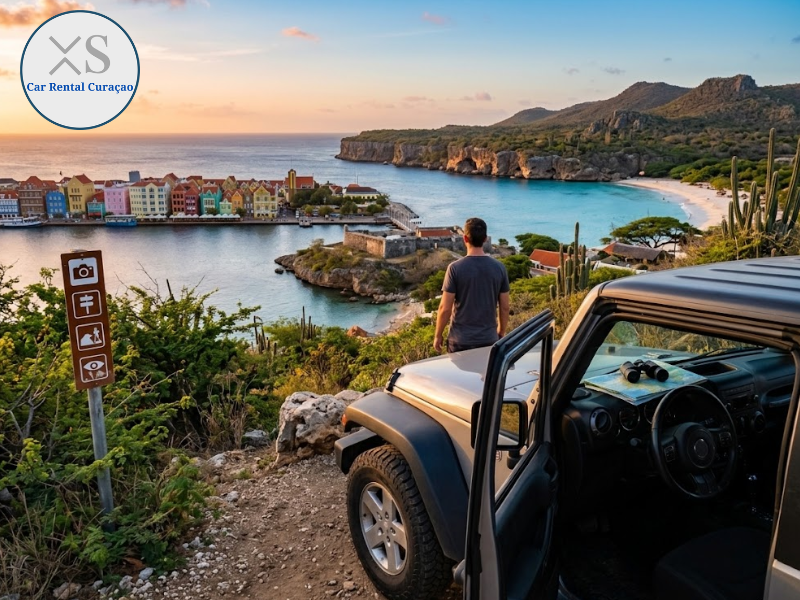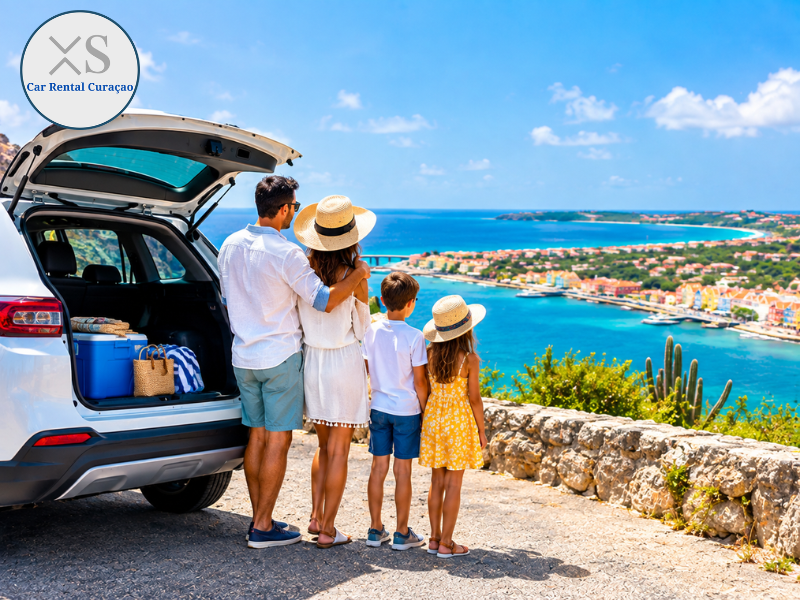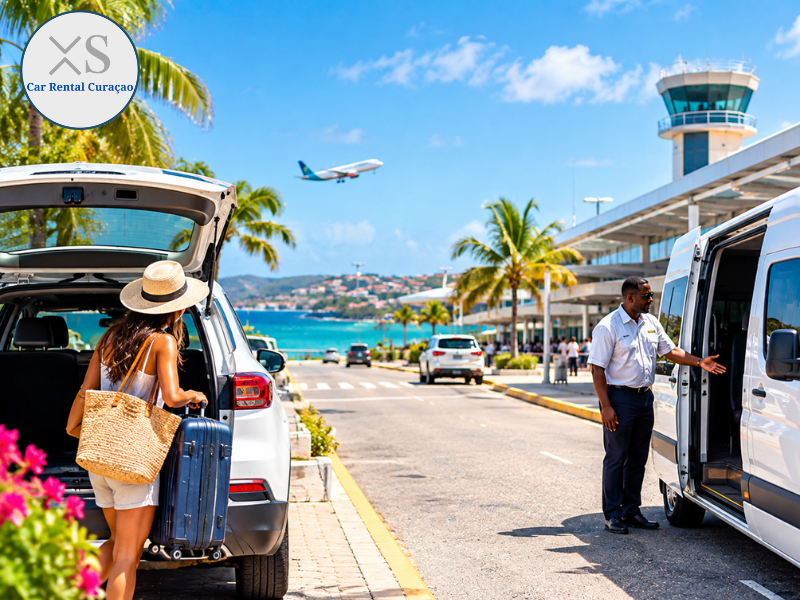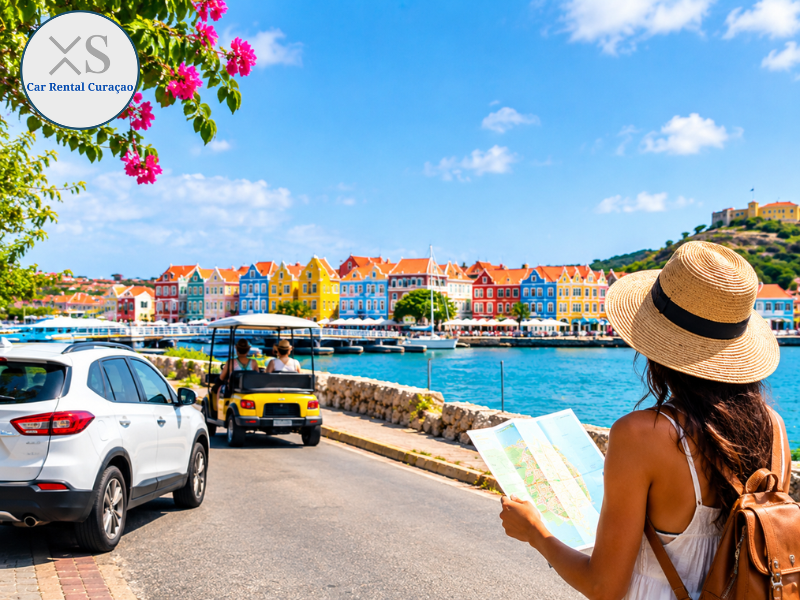
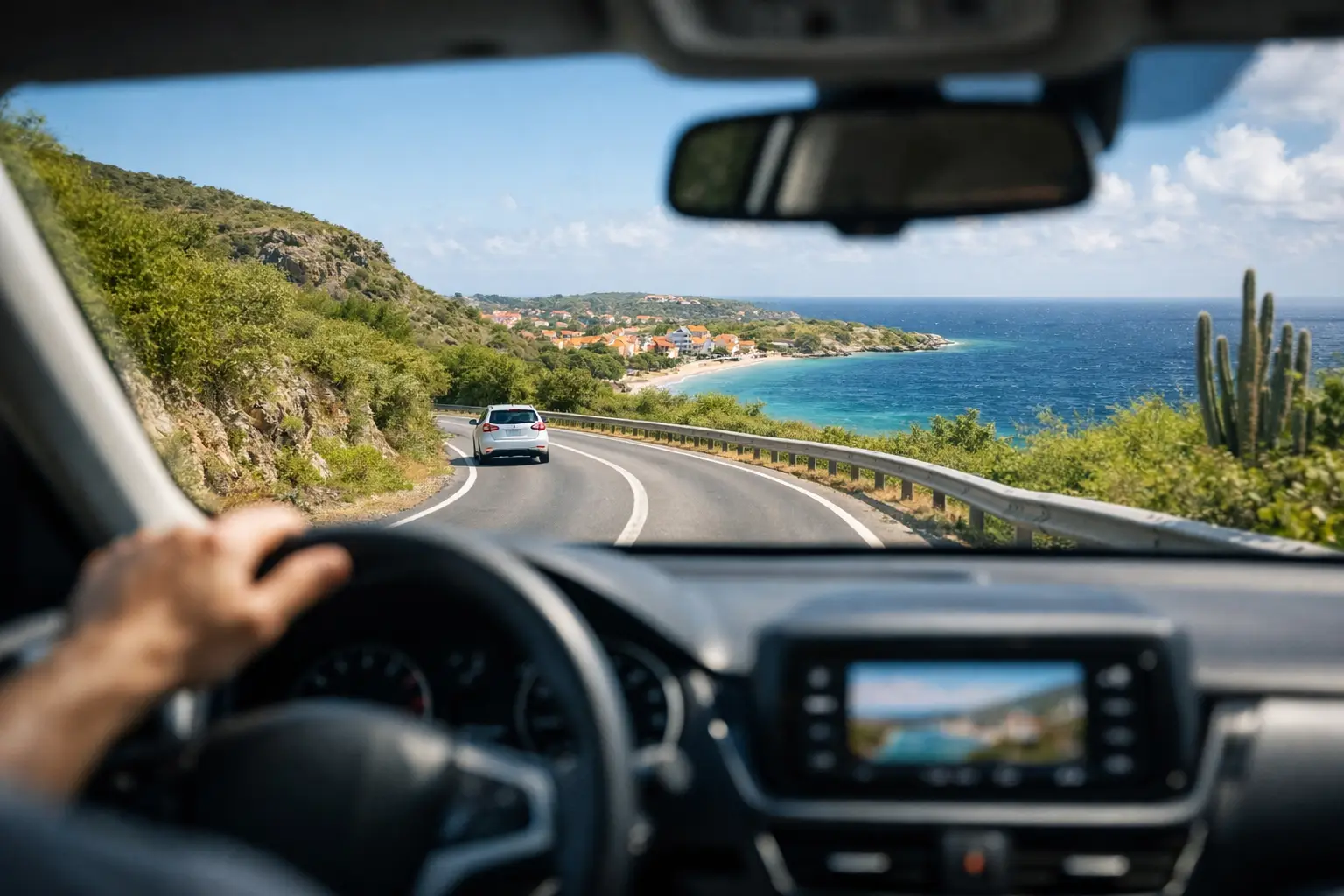
The first surprise for many visitors is that driving in Curaçao feels easier than they expected – until they hit a busy roundabout, a narrow side street, or an unmarked speed bump. If you are wondering how to drive in Curacao with confidence, the good news is that it is very manageable once you understand a few local habits, road conditions, and practical rules.
For most travelers, renting a car is the simplest way to enjoy the island on your own schedule. Beaches, restaurants, hiking spots, grocery stores, and neighborhoods are spread out, and public transportation is not the best fit if you want flexibility. The key is not driving aggressively or perfectly. It is driving calmly, paying attention, and knowing what is normal on the island.
How to drive in Curacao: what to expect first
In Curaçao, people drive on the right-hand side of the road, just like in the United States. Road signs are generally familiar, and if you are comfortable driving at home, you will probably adjust quickly. Most visitors do.
That said, the island has its own rhythm. Some roads are wide and smooth, especially on major routes. Others can be narrower, less clearly marked, or uneven in residential and less developed areas. You may also notice that GPS is helpful but not always perfect, especially when street names are unclear or a location is better known by landmark than address.
Traffic tends to build around Willemstad, Jan Thiel, Caracasbaai, and the roads leading to and from the airport during busier parts of the day. Outside those areas, driving is often relaxed. Distances are not huge, but travel times can still vary because of traffic circles, stop-and-go congestion, and local road layouts.
Driver’s license, documents, and basic rules
Most US visitors can drive in Curaçao with a valid driver’s license from home. In general, your passport, license, and rental documents should be easy to access whenever you are on the road. It is also smart to keep your phone charged in case you need navigation or roadside help.
Seat belts are required, and using your phone while driving should be avoided unless it is hands-free. If you are traveling with kids, check child seat requirements before pickup rather than assuming every vehicle includes one.
Speed limits can vary by area, and they are not always posted as often as US drivers expect. On busier urban roads, you will want to stay alert and follow the pace of traffic without pushing it. On quieter roads, the real issue is often not speed enforcement but road conditions, sudden curves, or unexpected bumps.
Local driving habits that catch visitors off guard
The biggest adjustment is usually not a formal traffic rule. It is reading how people actually drive.
Roundabouts are common, and they can feel a bit fast if you are not used to them. Yielding properly matters, but so does staying decisive. Hesitating too long can confuse other drivers. If you miss your exit, keep going around and try again rather than making a last-second move.
Another local reality is the speed bump. Some are clearly marked. Some are not. If you are driving through neighborhoods, near schools, or on roads that seem unusually quiet, slow down. Visitors often worry most about getting lost, but underestimating a bump is what usually gets their attention first.
You should also expect occasional sudden stops, quick lane changes, and drivers who know the road better than you do. That does not mean driving is unsafe. It means defensive driving matters. Leave space, avoid rushing, and let the more impatient driver pass when appropriate.
Parking is usually simple, but use common sense
Parking in Curaçao is often easier than in larger US cities, especially near beaches, casual restaurants, and shopping areas. In many places, you can park close to where you are going without much trouble.
Still, not every parking area is equal. In busy zones around Punda, Otrobanda, Mambo Beach, or Jan Thiel, spots fill up fast at peak times. Some lots are more organized than others, and street parking can require a little patience.
Do not leave valuables visible in the car, even if you are only stepping away for a short time. That is basic travel advice anywhere, and it applies here too. A bag, phone, or wallet left on a seat is never a good idea. Use the trunk before you arrive at your stop if you need to store anything.
Night driving in Curaçao
Night driving is doable, but it depends on where you are and how comfortable you are behind the wheel. Main roads are generally fine. Smaller roads can be darker, with fewer lane markings and less lighting than some visitors expect.
If this is your first day on the island, it is worth easing into it. Daytime helps you get familiar with landmarks, road quality, and traffic flow before driving after dark. If you are heading to a dinner spot or beach club at night, it helps to know your route in advance instead of figuring it out in real time.
This is also where a reliable rental company makes a difference. If you have questions about a route, parking area, or neighborhood, local guidance can save you time and reduce stress.
Road conditions are fine overall, but not uniform
One mistake travelers make is assuming every road near a popular destination will be polished and easy. Curaçao has many well-traveled routes, but the island also has rougher patches, potholes, faded markings, and uneven shoulders.
That does not mean you need a large SUV for every trip. For most visitors, a standard rental car works well. It just means you should stay alert, especially when turning off major roads or heading toward more remote beaches and viewpoints.
When it rains, some roads can get slick quickly. Rain showers may be brief, but visibility can change fast. Slowing down is the right move. Locals know the road. You do not need to match their confidence in bad conditions.
How to drive in Curacao if it is your first island trip
If this is your first time driving on a Caribbean island, keep your first day simple. Pick up your car, drive to your accommodation, then do one or two easy trips before planning a full day crossing the island. That small adjustment period helps more than people think.
Use navigation, but do not rely on it blindly. In Curaçao, directions are often easier when tied to supermarkets, gas stations, beach clubs, or roundabouts rather than exact street numbers. If someone gives you directions based on landmarks, that is normal.
It also helps to build in extra time. A drive that looks short on the map can take longer if there is traffic near Willemstad or if you miss a turn and need to loop back. The island is not enormous, so getting a little off track is rarely a disaster.
Gas stations, payments, and practical details
Gas stations are easy to find in the more populated areas, but you should not wait until your tank is almost empty, especially if you are spending the day exploring farther from town. Filling up earlier is just easier.
Payment methods can vary, so carrying a mix of options is smart. Some travelers prefer to use a card everywhere, but having some cash available can help with smaller purchases or situations where payment systems are less convenient than expected.
Before driving off in your rental car, take a minute to check the basics. Make sure you know how the lights work, where the hazard button is, how to contact support, and what kind of fuel the car uses. That one-minute check prevents a lot of avoidable hassle later.
The easiest way to make driving feel easy
The best approach is simple: stay relaxed, stay aware, and do not treat every drive like a race. Curaçao is much more enjoyable when you are not overthinking every turn.
A good rental experience also matters more than people realize. Clear insurance terms, straightforward pickup, and local support can take a lot of pressure off your trip. That is why many travelers prefer working with a local company like XS Car Rental instead of guessing their way through a more impersonal process.
Driving here gives you freedom that taxis and fixed schedules just cannot match. You can start the morning at a quiet beach, stop for lunch when you feel like it, and change plans without needing to coordinate anything.
Give yourself a day to settle in, drive defensively, and ask for local advice when you need it. Once you do, the island starts to feel a lot smaller, a lot friendlier, and much easier to enjoy.