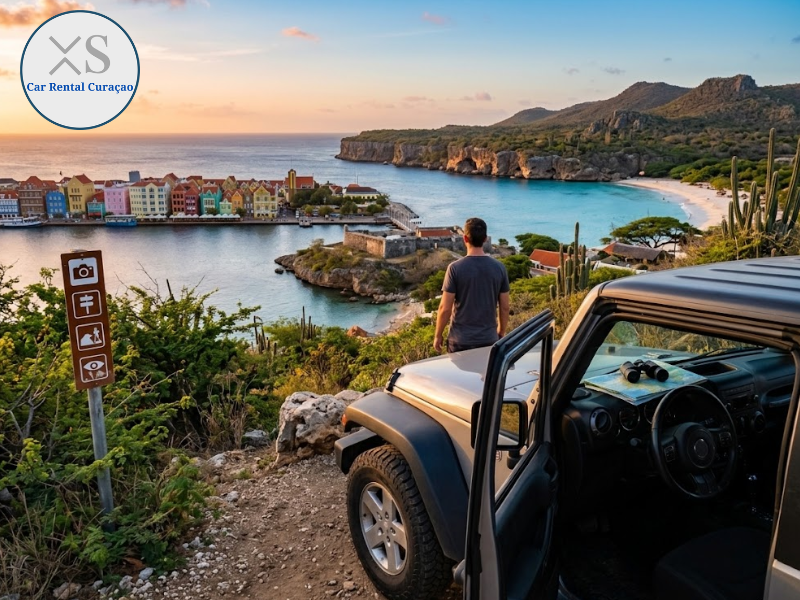
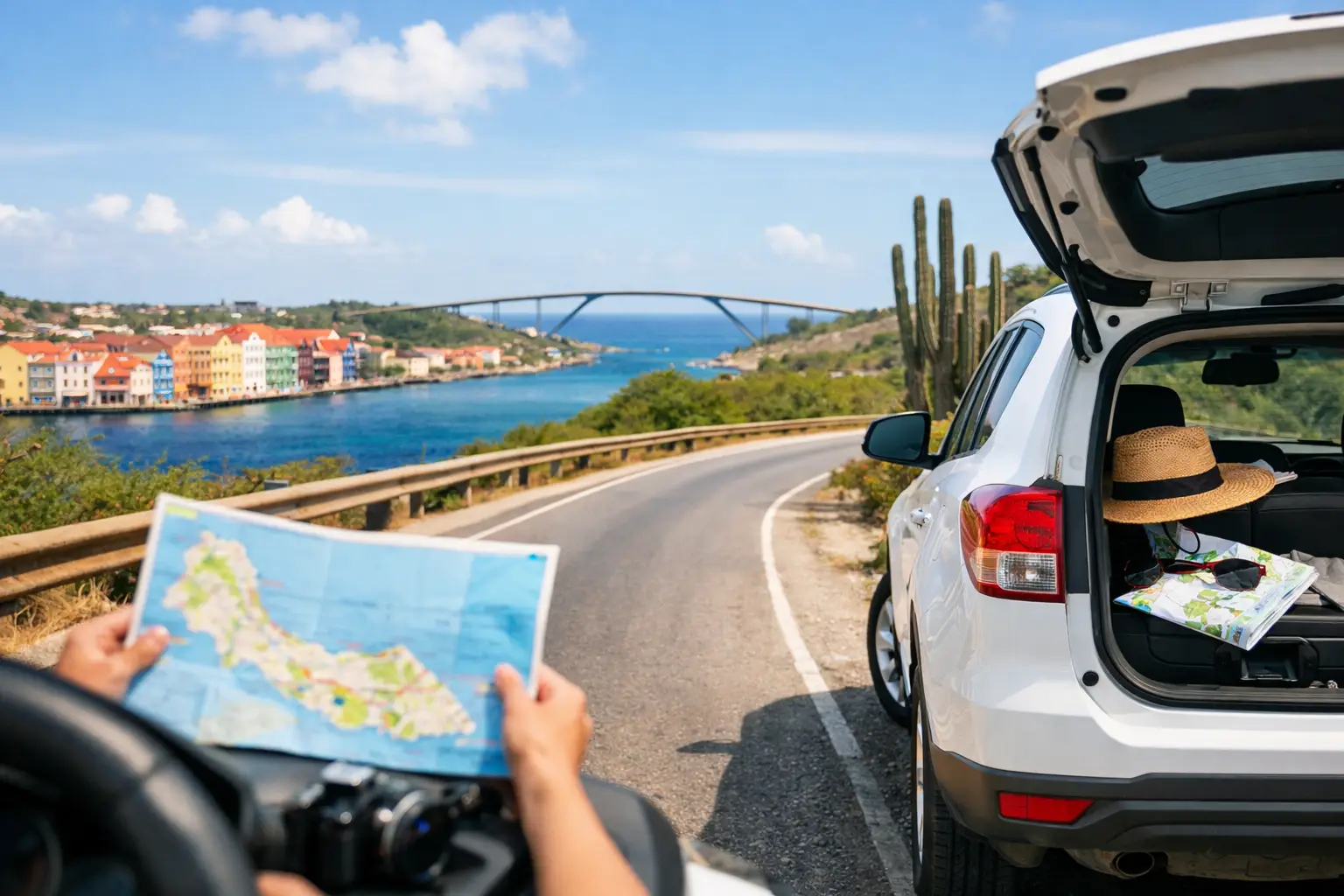
A Curacao road trip can take you from the colorful streets of Willemstad to a quiet west-side cove in less than an hour. That short distance is exactly why a little planning matters. Knowing how to plan a Curacao road trip means leaving room for spontaneous beach stops while avoiding the common mistake of trying to see the entire island in one rushed day.
Curacao is easy to explore by car, but it rewards travelers who think in areas rather than pinning every attraction on one oversized route. Plan for slower beach mornings, warm afternoons, and the fact that the best snorkeling spots may have limited shade, food, or services nearby. With a dependable rental car, a clear route, and a few practical supplies, you can enjoy the island at your own pace.
How to Plan a Curacao Road Trip by Area
The most relaxed approach is to divide the island into a west day, an east day, and time around Willemstad. Curacao may look compact on a map, but beach access roads, photo stops, and a long lunch can turn a short drive into a full outing.
The west side is the classic beach-road-trip day. Start early from Willemstad and head toward the small coves and dramatic coastal views around Bandabou. Playa Porto Mari, Cas Abao, Grote Knip, and Kleine Knip are popular choices, but you do not need to visit all of them. Pick two beaches, or three if you are happy with shorter swims and less time in the water.
A good west-side day might begin with snorkeling at one beach, followed by lunch near the coast, then a second beach for a late-afternoon swim. If you want a sunset stop, save time for Playa Forti or another viewpoint near Westpunt. Driving back after dark is possible, but roads outside the busier areas are less familiar, less brightly lit, and best handled without rushing.
The east side feels different. It is a better fit for travelers who enjoy rugged scenery, wind-swept coastline, and a bit of outdoor activity. Plan a route around Jan Thiel, Spanish Water, Caracasbaai, and the area near the Curacao Sea Aquarium. Depending on your interests, you can combine a beach morning with a walk, an e-step ride, or a waterfront meal.
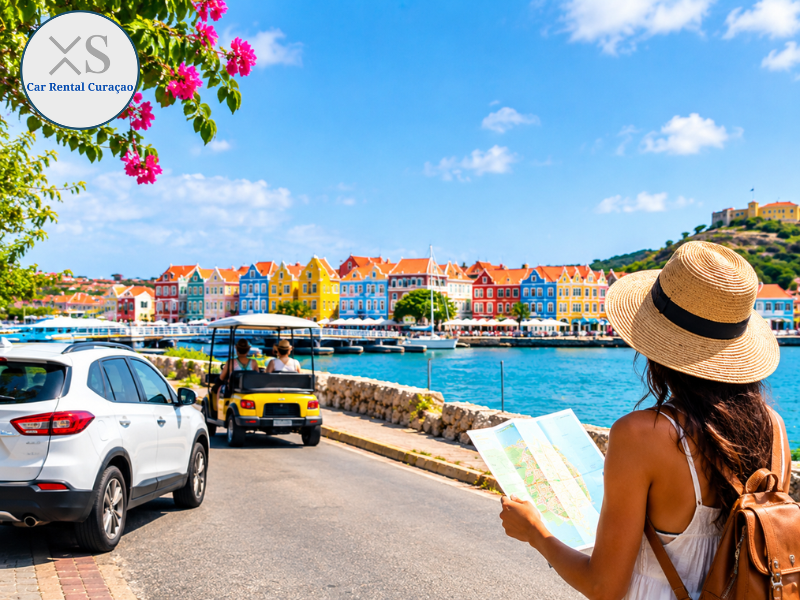
Keep Willemstad for a separate half-day or evening. The Queen Emma Bridge, Punda, Otrobanda, and the waterfront are much more enjoyable when you are not watching the clock for a beach reservation or trying to return a rental car. Parking, shopping, museums, and dinner are easier to fit into a city-focused plan.
Choose the Right Number of Road Trip Days
For a short stay of three or four days, reserve one full day for the west, one day for Willemstad and the east, and leave one flexible day for your favorite beach or an activity. Flexibility is valuable on an island where wind, sea conditions, and your own energy level can change the plan.
With five to seven days, you can slow down. Give the west side two separate outings: one for central beaches such as Cas Abao and Porto Mari, and another for Grote Knip, Kleine Knip, and Westpunt. This approach is especially good for families with young children or travelers who would rather spend hours swimming than checking off locations.
Long-stay visitors, interns, and digital nomads can build road trips around their work schedule. A half-day beach drive after a morning of work often feels better than saving every experience for one packed weekend. Having your own transportation makes that possible, especially when local errands, grocery runs, and evening plans are part of daily life.
Book a Car That Fits Your Actual Plan
A rental car is the practical choice for most Curacao road trips. Public transportation does not offer the flexibility needed for beach hopping, and taxis can become expensive when you add return trips from remote beaches. The right vehicle depends on who is traveling, how much luggage you have, and where you want to go.
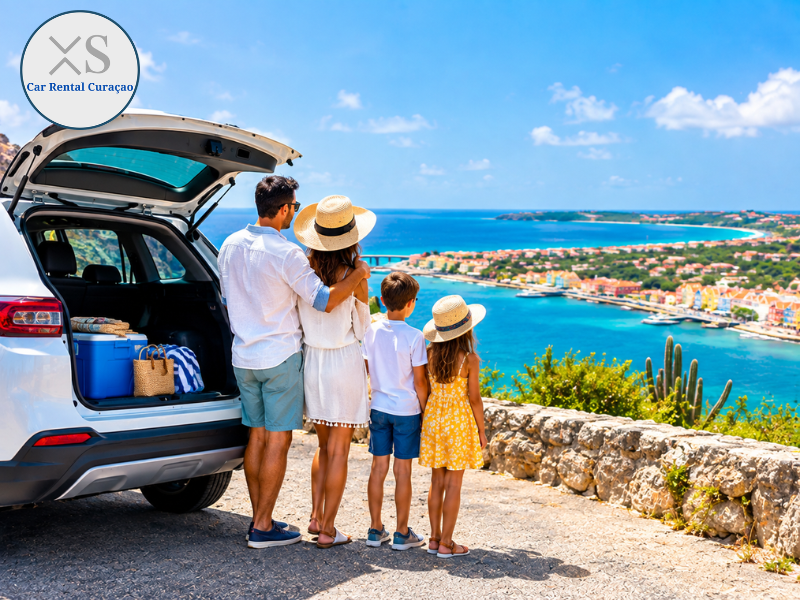
A compact car works well for couples and solo travelers who plan to stay on paved roads and travel light. Families or small groups may be more comfortable with extra passenger space and room for coolers, beach bags, strollers, and snorkeling gear. If you are booking for a longer stay, consider the value of a long-term rental rather than relying on daily transportation costs.
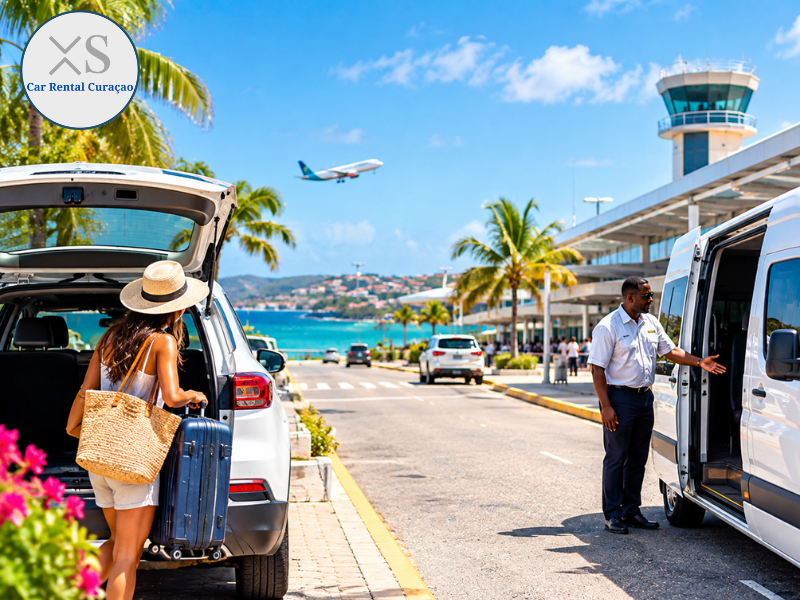
Before confirming, ask clear questions about insurance, deposit requirements, fuel policy, mileage, airport pickup, and any roadside assistance. Transparent pricing matters because a low daily rate can feel less affordable if surprise charges appear later. XS Car Rental helps travelers with local guidance and direct support, which can be especially reassuring if this is your first time driving on the island.
Do not assume every scenic destination requires a large vehicle or four-wheel drive. Many of Curacao’s best-known beaches are reachable by regular car. Still, some access roads can be uneven, and you should always follow rental conditions rather than taking a vehicle onto unmarked paths or rough terrain.
Build a Route Around Heat, Food, and Beach Time
The best road-trip schedules follow the island’s rhythm. Leave early for popular beaches, particularly on weekends and cruise-ship days, when parking and shaded spots can fill up. The morning is also usually the most comfortable time for walking, snorkeling, and setting up at the beach.
Plan one main destination before lunch and one after. Trying to fit four beaches, a national park, a museum, and a sunset dinner into one day usually means spending more time in the car than in the water. Curacao is not a place to race through.
Bring more water than you think you will need. Pack reef-safe sunscreen, towels, swimwear, a hat, dry clothes, and a small amount of cash for beach entry fees or simple local purchases. Some beaches have restaurants and facilities, while others are more natural and have limited services. Check what is available before you leave, especially if you are traveling with children.
For snorkeling, conditions matter more than the name of the beach. Wind and waves can affect visibility and comfort, so have a backup cove in the same part of the island. If the water looks rough, skip it. A safer, calmer beach often delivers a better experience than forcing a stop you saw on social media.
Drive With Confidence in Curacao
Curacao drives on the right, which makes the basics familiar for American visitors. Road signs are generally straightforward, but roundabouts, local driving habits, and unfamiliar streets can take a day to get used to. Drive calmly, keep a safe following distance, and pay close attention at intersections.
Use navigation, but do not rely on it blindly. Download your maps before setting out in case your signal drops in quieter areas. Your rental provider can often suggest the easiest route, explain parking around Willemstad, and point out destinations that are better visited at a certain time of day.
Avoid leaving valuables visible in the car, even if you are only stopping for a quick photo. Store bags out of sight before arriving at the beach, lock the vehicle, and take essentials with you. It is a simple habit that makes the day easier.
Fuel up before heading far west, particularly if you are planning a full day away from Willemstad. Also give yourself enough time to return the car according to your agreement. Late returns can add stress to an otherwise excellent day, especially when you have an airport departure to catch.
Leave Space for the Island to Surprise You
The best Curacao road trips usually include one unplanned stop: a roadside viewpoint, a quiet cove, a small local restaurant, or a beach you decide to revisit because the water is too good to leave. Build your route carefully, then give yourself permission to change it.
Start with one direction, one or two priorities, and a car you can rely on. Once the windows are down and the coast comes into view, you will be glad you planned for time, not just distance.