
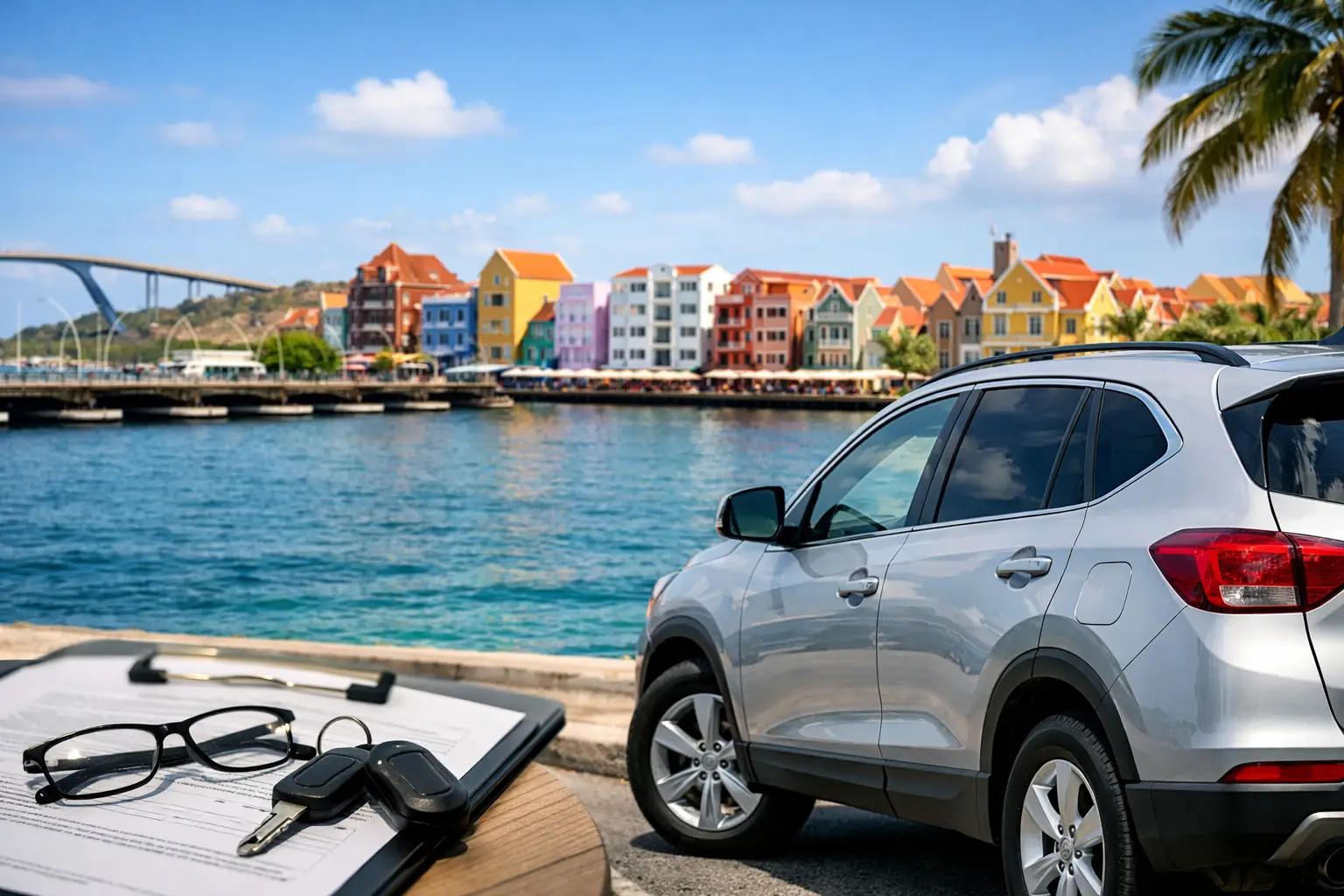
Landing in Curaçao for more than a quick vacation changes the transportation question. Taxis can add up quickly, and relying on rides from friends or coworkers can make everyday plans harder. Understanding how long term car rental works helps you choose a car, a rental period, and a budget that fit your stay without surprises.
For interns, expats, digital nomads, and visitors staying several weeks or months, a long-term rental offers the freedom to get to work, stock up on groceries, visit family, or head to a beach when it suits you. The process is simple, but the details matter: rental length, insurance, mileage, payment timing, and local support can all affect the real value of your booking.
How Long Term Car Rental Works
A long-term car rental is an agreement to use a rental vehicle for an extended period, usually several weeks, a month, or longer. Unlike a one-day or one-week booking, the rental is set up around your ongoing transportation needs rather than a short holiday itinerary.
You choose a vehicle based on how you will use it, agree on a rental period, provide the required documents, and arrange payment and pickup. The rental company supplies an insured vehicle and remains your point of contact if you have questions or need assistance during your stay.
Long-term rentals are often priced more favorably per day than short bookings. That does not mean every rental has the same terms, though. Some rates include a mileage allowance, while others may have different rules for extensions, additional drivers, deposits, or fuel. A clear quote should make these details easy to understand before you confirm.
Choosing your rental period
Start with your actual dates, then leave a little room for change if your plans are not fixed. An intern may need a car for a 10-week placement. A family relocating temporarily may need one for two months while settling into housing. A visitor working remotely may begin with a month and decide later whether to extend.
Ask whether an extension can be arranged if you stay longer than expected. In Curaçao, availability can change during busy travel periods, so it is better to discuss the possibility early rather than wait until the last day of your rental.
Selecting the right vehicle
The best car is not always the biggest one. A compact vehicle can be a practical, affordable choice for one or two people who mainly drive between Willemstad, work, supermarkets, and nearby beaches. Families, travelers carrying luggage, and groups may be more comfortable with a larger vehicle and extra cargo space.
Think about your regular routine. Will you be driving daily? Do you need room for child seats, beach gear, or groceries? Are you staying in an area with tight parking? Choosing for real life, not just arrival day, makes a long rental much easier.
What Is Usually Included in a Long-Term Rental?
A reputable rental company should explain what is included in the quoted price and what may cost extra. This is especially useful for extended stays, when a small daily charge can become significant over several weeks.
Your rental normally includes the vehicle and the insurance coverage described in your agreement. At XS Car Rental, the focus is on clear pricing and insured vehicles, so customers know what they are arranging before they get behind the wheel. You should still read the rental terms and ask directly about the deductible, damage coverage, tire or windshield policies, and what to do in the event of an accident.
Also confirm how roadside support works. A flat tire, dead battery, or unexpected warning light is inconvenient anywhere, but it feels more stressful when you are new to the island. Knowing who to contact and whether help is available around the clock provides real peace of mind.
Costs to confirm before booking
Price matters, but the lowest advertised rate is not always the lowest total cost. Before you book, make sure you understand the full picture:
- The monthly or weekly rental rate and applicable taxes
- The required security deposit and how it is returned
- Insurance coverage, deductible, and optional protection
- Mileage rules, if any apply
- Charges for additional drivers, child seats, delivery, or airport service
- Fuel expectations when the vehicle is returned
This is where local, service-driven rental companies can make a difference. A straightforward explanation is more helpful than a complicated quote that only becomes clear at the counter.
Documents and Payment: What You Will Need
Most long-term car rental bookings require a valid driver’s license, a passport or other identification, and a payment method for the rental and deposit. Requirements can vary by rental company, driver age, and vehicle category, so it is smart to ask before your arrival rather than assume.
If more than one person will drive, add them to the rental agreement from the beginning. Letting an unlisted driver use the car can create insurance problems if something happens. It is a small step that protects everyone.
Payment schedules vary. Some long-stay renters pay at the start of each rental month, while others arrange a different schedule depending on the length of the booking. If you are staying for several months, ask how renewals are handled and whether the price remains the same throughout the agreed period.
Pickup, Airport Arrival, and Getting Oriented
A long-term rental should make your arrival easier, not add another complicated task to your travel day. Airport pickup or delivery can be especially helpful after a long flight, when you have luggage and need to get settled quickly.
Before pickup, confirm where you will meet, what time the vehicle will be ready, and how to reach the rental team if your flight changes. Save the contact information in your phone and make sure you can use WhatsApp or make a local call after landing.
When you receive the car, take a few minutes to inspect it together. Note any existing marks, check that the lights and air conditioning work, and ask about fuel type. This is also a good time to get local driving guidance, navigation tips, and recommendations for the easiest route to your accommodation.
Curaçao is easy to enjoy by car, but first-time visitors should allow a little time to get comfortable. Roads can be narrow in some areas, parking rules vary, and island driving has its own rhythm. A helpful local team can point out practical details that a map app will not tell you.
Long-Term Rental vs. Leasing or Buying
A long-term rental works well when you need flexibility. It is usually easier to arrange than a lease, does not require you to purchase a car, and avoids the work of reselling a vehicle before you leave the island. Insurance, maintenance support, and assistance are generally part of the rental arrangement rather than separate tasks you need to manage.
Buying may make sense for someone staying for a very long time and prepared to handle registration, insurance, repairs, and resale. Leasing may work for residents with more permanent plans. But for a temporary assignment, seasonal stay, extended vacation, or trial period after moving, renting is often the simpler option.
The trade-off is that a rental may not be the cheapest choice for every multi-year situation. For most visitors and temporary residents, however, the convenience and predictable structure are worth it.
How to Make Your Long-Term Rental Go Smoothly
Treat the vehicle as part of your everyday island routine. Keep the agreement and emergency contact details accessible, follow the fuel policy, and report a concern early instead of waiting for it to become a bigger problem. If your plans change, whether you need to extend, shorten your stay, or switch to a more suitable vehicle, contact the rental company as soon as possible.
A good long-term rental is not just about having keys in your hand. It is about knowing you can get where you need to go, with clear costs and a real local person available when you need help. That freedom leaves more room for the reason you came to Curaçao in the first place.