Renting a car in Curaçao makes it easier to explore the island’s beautiful beaches, scenic coastal roads, and local attractions. Whether you are planning a family vacation, a business trip, or a weekend getaway, having a rental car offers greater flexibility. However, receiving an unexpected bill for vehicle damage you did not cause can quickly turn a pleasant experience into a stressful situation. You might return the car in good condition, only to receive a notice claiming that you are responsible for scratches, dents, or other damage.
If this happens, stay calm and avoid immediately accepting responsibility. Take time to review the claim, gather supporting evidence, and understand your rights. Checking your rental agreement and insurance coverage can help you respond confidently and determine the appropriate next steps.
This Vehicle Rental Insurance Information Guide explains what to do if a rental company in Curaçao charges you for damage you believe existed before your rental or did not occur while the vehicle was in your possession.
Stay Calm and Review the Damage Claim
The first step is to carefully review the rental company’s claim. Ask for a written explanation identifying the alleged damage, when it was discovered, and how the company determined that you were responsible.
Request copies of any inspection reports, photographs, repair estimates, invoices, and other documents supporting the charge. Check whether the company has provided the vehicle’s condition report from before and after your rental.
Avoid making assumptions before reviewing the evidence. A small scratch might have existed before you collected the vehicle, or the company might have discovered damage after another customer used it. The purpose of gathering information is to establish a clear timeline and determine whether the charge is justified.
Keep all communication professional and, whenever possible, in writing. Emails and written messages can help you maintain an accurate record of the dispute.
Collect Your Own Evidence
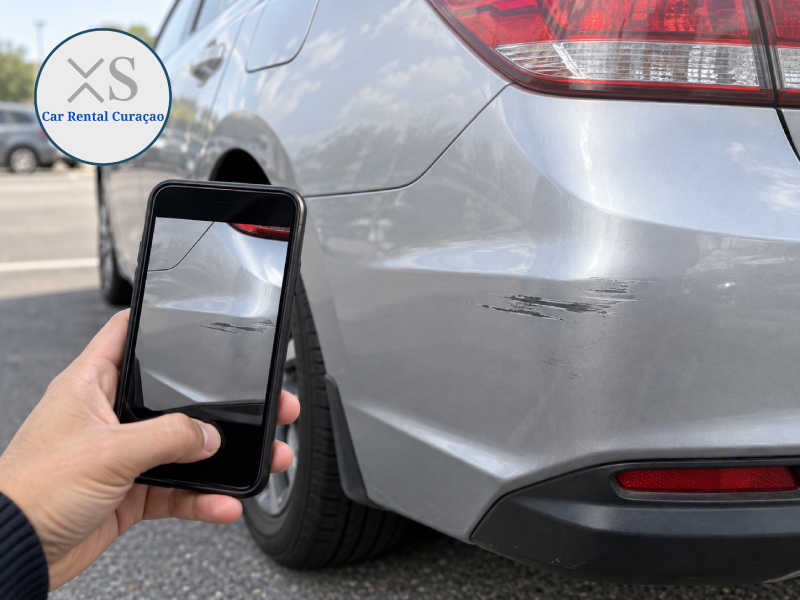
Evidence can make a significant difference when disputing a rental car damage charge. If you took photographs or videos before driving away, review them carefully. Images showing the vehicle’s condition at pickup may help demonstrate that the alleged damage was already present.
Useful evidence can include:
- Photos or videos taken before and after the rental.
- The original vehicle inspection or check-out report.
- The return inspection report, if available.
- Rental agreements and payment receipts.
- Emails or messages exchanged with rental staff.
- Return receipts confirming when and where you handed back the vehicle.
- Witness statements, where relevant and available.
If you did not take photographs, you can still request the company’s records and explain why you dispute the charge. Ask whether staff documented the vehicle’s condition when it was returned.
For future rentals, make a habit of photographing all sides of the car, including the bumpers, doors, wheels, windscreen, and interior. Record any existing scratches, dents, or other visible issues before leaving the rental location. Ask an employee to note those issues on the inspection report.
Check Your Rental Agreement and Insurance Coverage
Your rental agreement explains the terms you accepted when booking the vehicle. Read it carefully to understand your responsibilities, damage reporting requirements, insurance arrangements, and any applicable excess or deductible.
Insurance coverage varies depending on the rental company, the policy, and the country where you rent the vehicle. Some arrangements may cover certain types of damage, while others may exclude specific incidents or require you to pay an initial amount.
Review any coverage purchased through the rental company, your personal auto insurance, or an eligible credit card. Do not assume that a policy automatically covers every damage claim. Confirm the applicable terms, exclusions, reporting deadlines, and documentation requirements with the relevant provider.
Understanding these details is an important part of a vehicle rental insurance information guide because it helps you identify which party may need to review the claim.
Dispute the Charge in Writing
If the evidence suggests that you did not cause the damage, contact the rental company and formally dispute the charge. Explain the issue clearly, identify the specific amount being claimed, and describe why you believe the charge is incorrect.
Attach relevant photographs, inspection reports, or other supporting documents. Ask the company to investigate the matter and provide a written response explaining its findings.
Here is a simple example of what you could write:
“I am disputing the damage charge associated with my recent vehicle rental. I do not believe the reported damage occurred during my rental period. Please provide the before-and-after inspection reports, dated photographs, and supporting repair documentation. I would appreciate a review of the evidence before any further payment is pursued.”
Keep a copy of your message and any response. If you speak to customer service by phone, record the date, the representative’s name if available, and a summary of the discussion.
Avoid agreeing that you caused the damage unless you have a clear basis for doing so. If a payment deadline is approaching, ask the company how the dispute affects that deadline and what steps you should follow while the claim is under review.
Understand the Charges Before Paying
A damage claim may include more than the cost of repairing a vehicle. Depending on the agreement and applicable law, the company might also claim an administrative fee, an assessment fee, or compensation for loss of use while the vehicle is unavailable.
Request an itemized breakdown of every amount being claimed. Ask for repair estimates or invoices and an explanation of any additional fees. Check whether the charges are permitted under your rental agreement and whether the documentation supports them.
This is where reviewing rental car payment and booking policies becomes especially useful. Understanding the payment terms before booking can help you recognize what the company agreed to charge and what requires further explanation.
If the amount appears excessive or unsupported, explain your concerns in writing and request clarification. Do not assume every fee is automatically valid simply because it appears on a statement.
Contact Your Insurance Provider or Card Issuer
If the rental company maintains its claim, contact the insurer or card issuer that may provide coverage for rental vehicle damage. Explain that you are disputing responsibility and ask what documentation is required to open or review a claim.
Provide the rental agreement, damage notice, photographs, correspondence, and other requested records. Follow the provider’s reporting deadlines, even if the rental company’s investigation is still ongoing.
Your insurer or card issuer may be able to explain your coverage and the options available under its terms. However, coverage is not guaranteed, and a provider may require specific documents or determine that an exclusion applies.
Keep the rental company informed if your insurer is reviewing the matter. This can help maintain a clear record of the process.
Know When to Escalate the Dispute
If the rental company refuses to investigate your concerns or continues pursuing a charge without adequate explanation, consider escalating the issue.
Start by contacting a customer service manager or the company’s formal complaints department. Provide a concise timeline, attach your supporting evidence, and state the outcome you are requesting.
If the matter remains unresolved, you may be able to contact a consumer protection agency, an appropriate dispute-resolution service, or a relevant industry organization. Your available options depend on where the rental took place and which laws apply.
For a substantial charge, you may wish to seek independent legal advice. If the company has already charged your payment card, contact your card issuer promptly to ask whether a billing dispute or chargeback process is available. Follow its rules and deadlines, and provide accurate information.
A chargeback is not guaranteed, and disputing a transaction does not automatically cancel any contractual obligation. Keep records of every step you take.
Choose a Rental Company With Clear Policies
Preventing problems starts before you book. Look for a rental provider that explains its damage assessment process, insurance options, deposits, excess charges, and return procedures in clear language.
A trusted automatic car rental with no hidden fees should make its important terms easy to understand before customers commit to a booking. Review the full rental agreement rather than relying only on advertised prices or promotional offers.
A reliable provider should also give you an opportunity to document existing damage and explain how vehicle inspections are handled. Read customer reviews carefully, paying attention to recurring concerns about unexpected charges, customer support, and refund disputes.
An affordable vehicle rental company with trusted support should offer more than a competitive daily rate. Clear communication, transparent pricing, and a practical complaints process can make the entire rental experience less stressful.
Before collecting your vehicle, confirm the fuel policy, mileage limits, return requirements, deposit conditions, and insurance arrangements. These simple checks can help reduce misunderstandings later.
Conclusion
Being charged for rental car damage you did not cause can be frustrating, but you do not have to accept an unexplained claim without asking questions. Review the evidence, collect your own records, check your rental agreement, and submit a clear written dispute if you believe the charge is incorrect.
Understanding your insurance coverage and payment terms can also help you decide what to do next. If the issue remains unresolved, consider escalating the complaint through the company’s formal process or an appropriate consumer protection channel.
By staying organized and choosing rental companies with transparent policies and responsive support, you can protect yourself from unnecessary confusion and make more informed decisions on future trips.
FAQs
1. Can a rental company charge me for damage I did not cause?
A rental company may attempt to charge you under the rental agreement, but you can dispute the claim if you believe the damage was not your responsibility. Request supporting evidence, review the inspection reports, and check the agreement before deciding how to respond.
2. What evidence do I need to dispute a rental car damage charge?
Useful evidence includes dated photographs, videos, vehicle inspection reports, the rental agreement, return receipts, and written communication with the company. If you lack your own photographs, request the rental company’s records and any available inspection documentation.
3. Should I pay a rental car damage claim immediately?
Do not ignore the claim, but request a written breakdown and supporting documents before deciding how to proceed. Check your contractual obligations and any deadlines, and ask the company how a formal dispute affects the payment process.
4. Does rental car insurance cover damage disputes?
Insurance may cover certain damage costs, depending on the policy, exclusions, and circumstances. Contact your insurer or card issuer to confirm the coverage and documentation required. Insurance coverage does not automatically establish who caused the damage.
5. What if the rental company refuses to remove the charge?
Escalate the issue through the company’s formal complaints process. If it remains unresolved, consider contacting a relevant consumer protection agency, dispute-resolution service, or legal adviser. Your options depend on the location and circumstances of the rental.