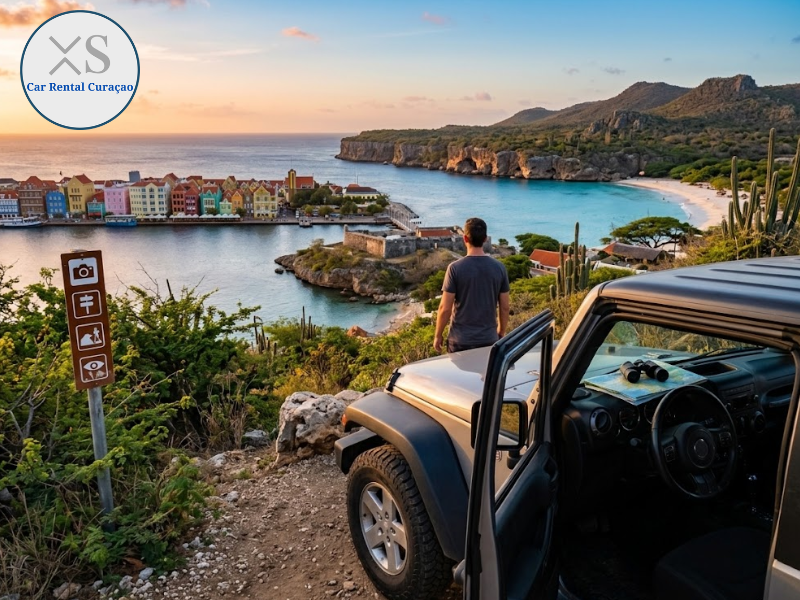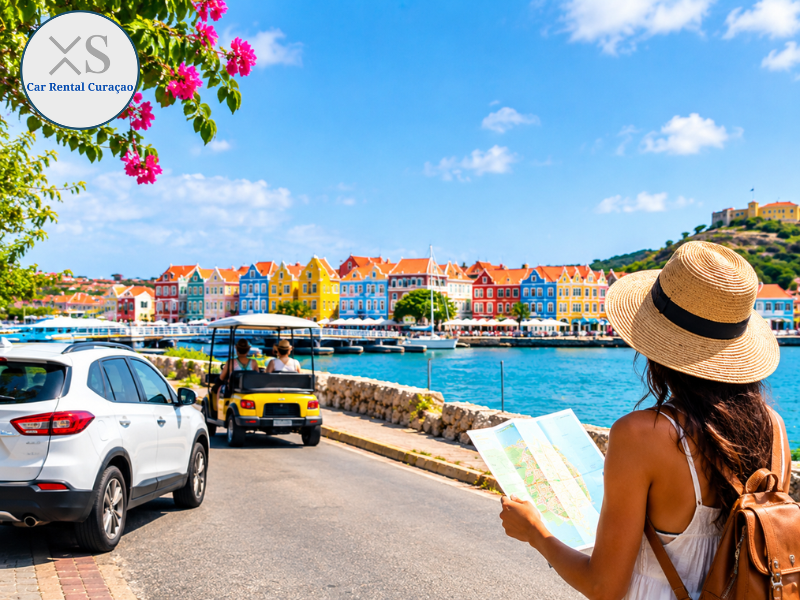
You have found a beautiful beach, a table in Punda, or that perfect sunset spot on the west side of the island. The last thing you want is to return to your car wondering whether it is parked legally. Understanding Curaçao parking rules before you set off makes driving feel far easier – especially if this is your first visit to the island.
Parking in Curaçao is usually straightforward, but it is not the same everywhere. Downtown Willemstad has paid areas and tighter streets. Beach parking can be informal but busy. Residential streets require extra respect for driveways and local traffic. A few simple habits will help you avoid a ticket, towing, or an unnecessary interruption to a great day out.
Curaçao parking rules start with the signs
The most reliable parking advice on the island is also the simplest: check the sign where you park, not just the cars already parked nearby. A row of vehicles does not always mean a space is legal or free. Signs, curb markings, parking meters, and instructions at a lot entrance should always guide your decision.
Pay particular attention to spaces near intersections, pedestrian crossings, bus stops, driveways, loading areas, and building entrances. Even if a road looks quiet, parking too close to a corner can block visibility for other drivers. On narrow streets, a badly placed car can also prevent deliveries, emergency access, or local residents from getting out.
If a sign is unclear, choose another space. A short walk is usually a much better trade-off than trying to explain why you thought a space was allowed.
Paid parking in Willemstad
The busiest parts of Willemstad, including popular areas around Punda and Otrobanda, can have paid parking zones or paid lots. These areas are convenient for shopping, restaurants, museums, and the waterfront, but availability changes quickly during cruise-ship days, evenings, and special events.
Look for posted instructions that explain whether payment is required, the applicable hours, and the payment method. Depending on the location, you may find a meter, a payment machine, an attendant, or instructions for digital payment. Do not assume that parking is free just because a meter is not immediately beside your car. Check the nearest signage before walking away.
Keep any receipt or confirmation available until you return. If you use a paid lot, note its closing time and whether the gate requires a ticket to exit. This small check matters if dinner runs later than planned.
Give yourself more time downtown
Willemstad rewards slow exploration. The streets are colorful, compact, and full of places worth stopping for, but that also means parking can take longer than expected. Rather than circling the closest block repeatedly, consider a legitimate lot or an available space a few streets away. A five- to ten-minute walk is often easier than squeezing into a questionable gap on a narrow road.
Be especially patient when large cruise ships are in port or when there is an event in the city center. More visitors, delivery traffic, and pedestrians all compete for the same limited spaces.
Where not to park
Some restrictions are common sense, but they are worth spelling out when you are driving somewhere unfamiliar. Never park in front of a driveway or gate, even if it appears unused. Many homes and businesses have limited access, and blocking an entrance can create a real problem quickly.
Avoid parking on sidewalks, in marked no-parking areas, on pedestrian crossings, or in places that narrow the road for passing traffic. Do not leave the car where it blocks a fire hydrant, bus stop, trash collection point, or loading access. If you see a curb painted or a restriction posted, treat it seriously and move on if you are unsure what it means.
At beaches and scenic pull-offs, only use designated spaces or areas where parking is clearly established. Pulling onto soft sand, rough shoulders, or vegetation can get a car stuck, damage the area, and create an unsafe exit back onto the road. A rental car is not an off-road vehicle, even when the view makes that shortcut tempting.
Parking at beaches, resorts, and attractions
Many popular Curaçao beaches have their own lots, entrance fees, or rules for guests. Some offer plenty of room in the morning and fill up by late morning, particularly on weekends and holidays. If you are planning a beach day, arriving earlier gives you a better choice of spaces and a cooler walk to the sand.
At private resorts, restaurants, and attractions, use guest parking only when you are actually visiting the property. Parking in a hotel lot to walk somewhere else may lead to trouble, even if the lot looks open. Follow the staff directions if there is an attendant or security guard. They know how traffic flows at that location and can often point you toward the best available option.
When parking outdoors for a few hours, do not leave valuables visible. Put bags, electronics, passports, and shopping items out of sight before you arrive, not after you park. Someone watching the lot should not be able to tell that items have been moved into the trunk.
Be considerate in residential areas
Curaçao is an island where visitors and local life share the same roads. The quiet neighborhood you drive through on the way to a hidden beach is still home to people who need clear driveways, sidewalks, and space to pass.
If you need to park near a residence, choose a spot that does not obstruct gates, mailboxes, trash pickup, or the street itself. Keep the volume down when arriving late, and do not use private property as a turnaround area. These are small gestures, but they make a real difference and reflect well on every visitor driving a rental car.
Parking safely after dark
Night driving in Curaçao can be enjoyable, but parking deserves a little more planning after sunset. Choose well-lit, active areas when possible, particularly in downtown zones and unfamiliar neighborhoods. If a lot feels isolated or poorly maintained, it is reasonable to find another option closer to your destination.
Before leaving the vehicle, lock the doors, close the windows, and take your key with you. Check that the car is fully off and that you have not left lights or accessories running. If you are parked on a slope, use the parking brake and turn the wheels appropriately to reduce the chance of rolling.
It also helps to save your parking location on your phone or take a quick photo of a nearby landmark. Willemstad’s streets can look different after dark, and it is easy to forget which side street you used after a relaxed evening meal.
What to do if you receive a ticket or your car is missing
Do not ignore a parking ticket. Read it carefully and keep it with your rental paperwork. If you are driving a rental vehicle, contact the rental company promptly so you understand the next step and any payment deadline. Waiting until the end of your trip can make a simple issue harder to resolve.
If your car is not where you left it, first make sure you have the correct location. Then check whether there are signs indicating towing or parking enforcement nearby. Contact your rental provider for support and guidance rather than guessing what to do next. A local team can help you work through the situation calmly and point you toward the right contact.
At XS Car Rental, we want guests to feel comfortable behind the wheel, not worried about every stop. If you have a question about parking near your hotel, a beach, or a planned day in Willemstad, ask before you go. Local advice can save time and make your route much easier.
A simple parking routine for every stop
Before you walk away, take ten seconds to look at the sign, check that you are not blocking anyone, secure your belongings, and remember your location. That routine covers most Curaçao parking concerns without turning your vacation into a rulebook.
The island is best enjoyed with room for spontaneous stops – a roadside fruit stand, a viewpoint, a quiet cove, or a colorful street you did not plan to find. Park thoughtfully, give yourself a little extra time in busy areas, and you can enjoy those moments with your attention exactly where it belongs.