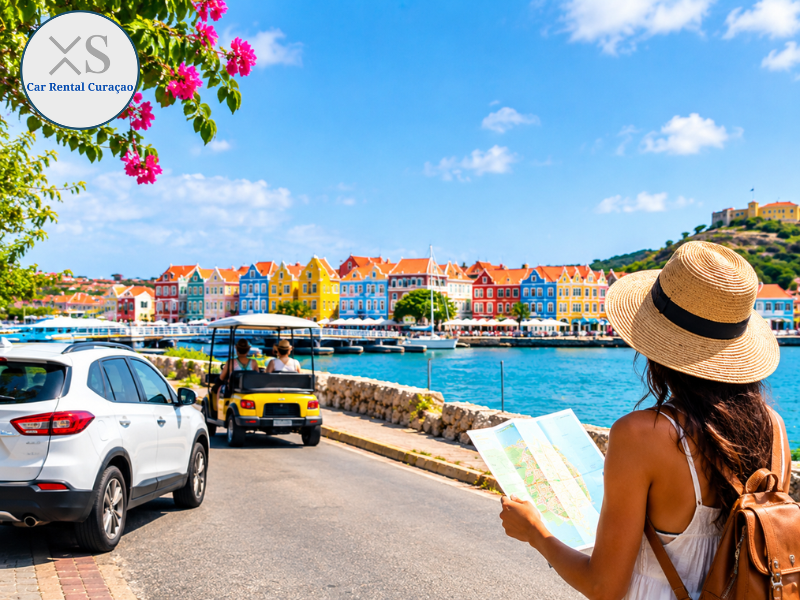

Landing at Curaçao International Airport is the easy part. The real question for many visitors is what happens when it is time to collect the keys, drive out of the parking lot, and find your first beach, supermarket, or hotel. This guide to curacao rental rules explained will help you understand the practical details before your trip, without surprises at the rental counter.
A rental car gives you the freedom to explore beyond your resort schedule. Curaçao has beautiful areas spread across the island, from Willemstad and Jan Thiel to Westpunt and the beaches along the northwest coast. Public transportation may work for a few routes, but it is not always convenient for beach days, grocery runs, internships, or longer stays. Knowing the rules ahead of time makes driving feel much more relaxed.
Curacao Rental Rules Explained: What You Need to Rent
Most car rental companies will ask for a valid driver’s license, a passport or other government-issued identification, and a payment method for the rental and security deposit. Visitors with a current U.S. driver’s license can generally drive in Curaçao. If your license is not in the Roman alphabet, carrying an International Driving Permit is a smart extra precaution.
The minimum driver age is often set by the rental company rather than being identical everywhere. Many companies rent to drivers age 21 and older, while some may have a higher age requirement or apply an additional fee for younger drivers. If you are under 25, do not assume the same policy applies to every vehicle category. Ask before booking, especially if you need an SUV, a larger family vehicle, or a long-term rental.
Only approved drivers should drive the vehicle. If you plan to share the driving with a partner, friend, colleague, or family member, add that person to the agreement at pickup. It can feel like a small detail until an accident, damage claim, or roadside issue happens. An unlisted driver may not be covered under the rental agreement’s insurance terms.
Your reservation is not the whole agreement
Online booking is a helpful first step, but the signed rental agreement is where the specific rules are confirmed. Read it before leaving the lot. Focus on the rental dates and return time, the fuel policy, insurance coverage, deductible amount, mileage allowance if applicable, and any restrictions on where the vehicle can be driven.
Transparent pricing matters here. A good rental company should be able to explain the total rental cost, deposit, optional add-ons, and insurance choices in clear language. If a charge is unclear, ask about it before signing rather than trying to sort it out at the end of your vacation.
Insurance, Deposits, and Vehicle Responsibility
Rental insurance can be confusing because coverage is not all the same. A vehicle may be insured, but that does not automatically mean every type of damage has zero cost to the renter. Many rental agreements include a deductible, also called an excess, which is the amount you may be responsible for if there is covered damage or theft.
Before you accept the keys, ask what the insurance includes and what it excludes. Windshield damage, tire damage, lost keys, undercarriage damage, and damage caused by driving on unsuitable roads may be treated differently from a standard collision claim. Credit card rental coverage can sometimes help, but it depends on your card, the country, the vehicle type, and whether you declined certain coverage. Confirm those details with your card issuer before you travel, not while standing at the counter.
A security deposit is also normal. The rental company may place a hold on your card or collect a deposit to cover potential charges such as damage, missing fuel, traffic fines, or late return. The amount and release timing vary by company and payment method. Debit cards, cash deposits, and prepaid cards may have different rules, so check in advance if you are not using a credit card.
Take a few minutes to inspect the car with a staff member. Photograph existing scratches, dents, wheel marks, and the fuel gauge, even if the company has already documented them. This is not about expecting a problem. It simply gives both sides a clear record and helps make the return process easy.
Driving Rules That Matter on Curaçao
Curaçao drives on the right side of the road, the same as the United States. Road signs and traffic signals will feel familiar, but island driving has its own rhythm. Roads can become narrow, curves may appear quickly outside the city, and some intersections require patience and close attention.
Seat belts should be worn by everyone in the vehicle. If you are traveling with young children, arrange appropriate child seats in advance. Availability can be limited during busy travel periods, and the correct seat depends on your child’s age, size, and weight.
At roundabouts, slow down and yield according to the posted signs and traffic already circulating. Do not rush through an unfamiliar roundabout just because the driver behind you seems in a hurry. On Curaçao, calm and predictable driving is much safer than trying to match someone else’s pace.
Parking deserves attention as well. In Willemstad and popular beach areas, watch for posted restrictions, paid parking zones, marked spaces, and no-parking areas. Never block a driveway, entrance, or narrow road. A parking choice that seems harmless can quickly make it difficult for local traffic to pass.
Roads, rain, and remote beaches
A compact car is a practical choice for much of Curaçao, but your itinerary matters. If your plans include remote beaches, rougher access roads, or a lot of luggage and passengers, a vehicle with more ground clearance may be the better fit. The trade-off is usually a higher daily rate and greater fuel use.
Do not take a rental vehicle off-road or onto beaches unless your written agreement specifically allows it. Sand, saltwater, sharp rocks, and uneven terrain can cause costly damage that may not be fully covered by insurance. When a road looks questionable, park safely and walk the final stretch if possible.
Rain showers can be short and intense. Roads may become slick, especially after a dry period, so leave more space between vehicles and reduce speed. At night, use extra caution on roads with limited lighting. Navigation apps are useful, but they do not replace looking ahead for pedestrians, animals, potholes, and changing road conditions.
Fuel, Fines, and Returning Your Rental
Ask whether your rental uses a full-to-full fuel policy, meaning you receive the vehicle with a full tank and return it full. This is usually the simplest arrangement. Keep your final fuel receipt if you fill up shortly before returning the car, particularly if the gauge does not immediately show completely full.
Traffic fines, parking tickets, towing costs, and other violations are generally the renter’s responsibility. If a fine reaches the rental company after your trip, the company may charge the payment method connected to your agreement, sometimes along with an administrative processing fee. The easy solution is to follow signs, park carefully, and never treat a vacation as an excuse to ignore local road rules.
Plan your return around your actual flight or schedule. Airport traffic, fuel stops, and a final wrong turn can all take longer than expected. Returning the car at the agreed time gives staff the opportunity to inspect it with you and close out the rental properly. If you need more time, contact the company as soon as you know. Extensions depend on vehicle availability, but early communication gives you the best chance of a simple solution.
Long-Term Rentals Need a Different Conversation
For interns, expats, remote workers, and visitors staying for several weeks or months, a long-term rental can be more practical than repeatedly booking short periods. Still, the rules may be different. Ask whether maintenance is included, what happens if the vehicle needs repair, whether there is a mileage limit, and how a replacement vehicle is handled if one is needed.
Long stays also make local support more valuable. XS Car Rental can help renters understand vehicle options, airport pickup details, and the kind of car that fits everyday island life rather than only a weekend itinerary. A smaller, local team can often answer practical questions faster than a large call center.
The best rental experience starts with choosing a company that explains its terms plainly and responds when you need help. Bring the right documents, read the agreement, inspect the vehicle, and drive with patience. Then the car becomes what it should be: a simple, dependable way to enjoy more of Curaçao on your own schedule.