You feel it fast in Curaçao – the island looks compact on a map, but the moment you start planning beaches, dinner spots, a grocery run, and maybe a sunset stop on the other side of town, the real question shows up: do you need a car in Curaçao? For many visitors, the honest answer is yes. But not always, and that distinction matters if you want to spend wisely and avoid hassle.
Curaçao is not the kind of destination where most travelers stay in one walkable zone and casually reach everything on foot. The island is spread out. Popular beaches are in different areas, many hotels and apartments are not within easy walking distance of restaurants or supermarkets, and public transportation is limited if you are used to the convenience of a major US city.
Do you need a car in Curaçao for your type of trip?
The best answer depends on how you travel.
If you are staying at a resort and mainly plan to relax on-site, take one or two organized excursions, and use taxis when needed, you may not need a rental car every day. Some travelers are perfectly happy doing that, especially on a short stay. It can work well if your hotel has restaurants, beach access, and enough amenities to keep your plans simple.
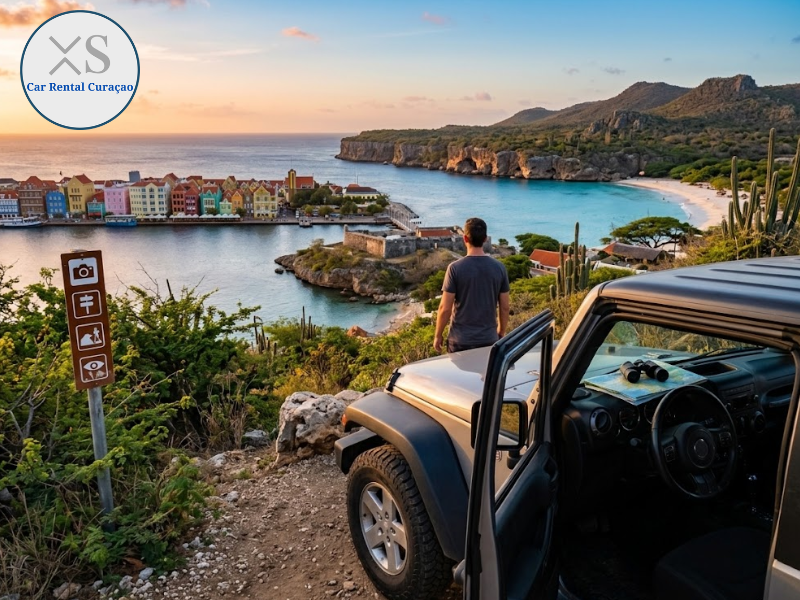
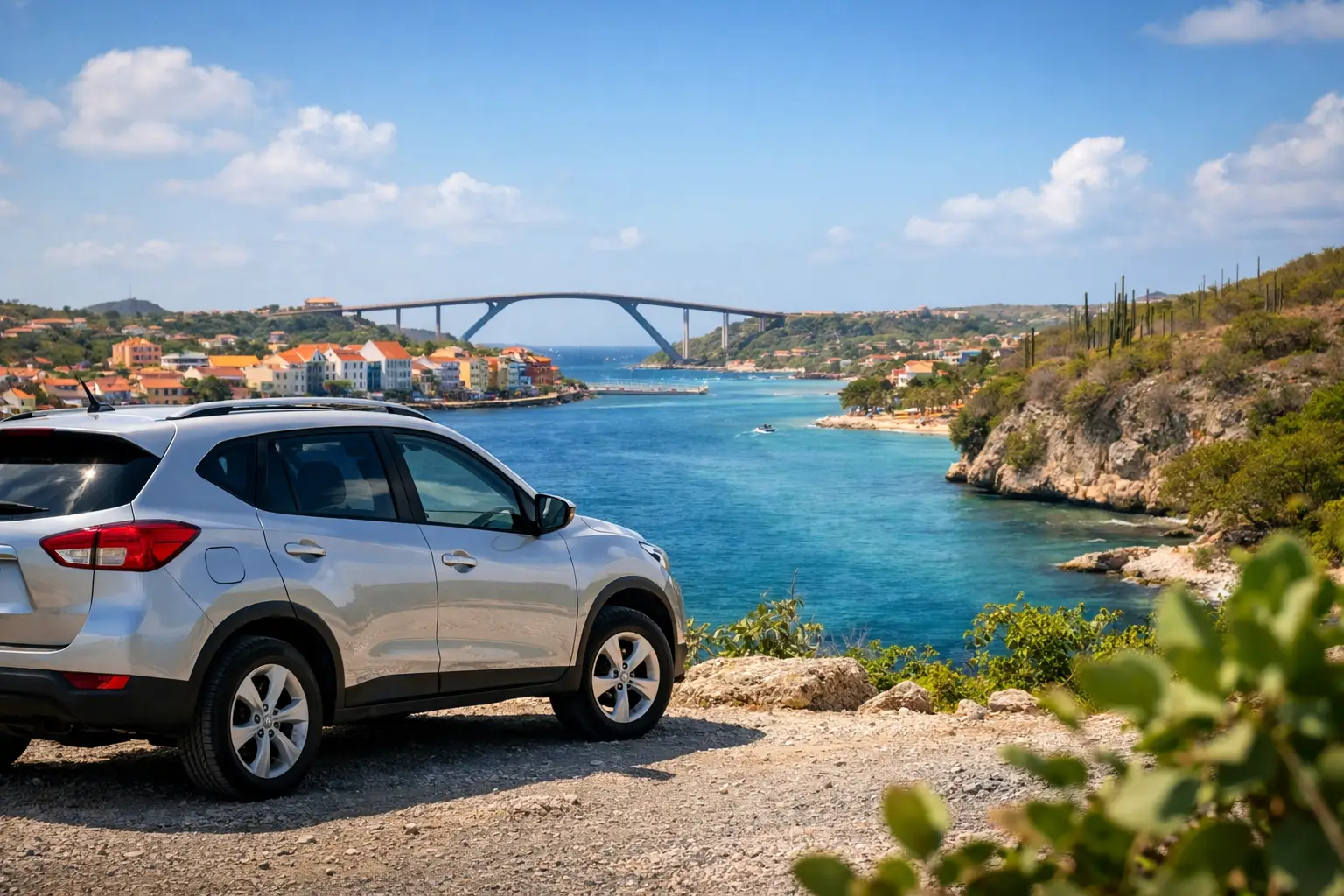
If you want freedom to explore, though, a car changes the trip completely. Curaçao has beach coves, viewpoints, snorkeling spots, local food stops, and neighborhoods that are much easier to enjoy when you can leave on your own schedule. That matters even more for families with kids, couples who want flexibility, interns staying a few weeks, or expats settling in and handling everyday errands.
A lot of first-time visitors assume taxis will fill the gap. They can, but costs add up quickly. A ride here and there may seem manageable at first, then suddenly you are budgeting every beach visit and dinner outing around transportation. That is usually the point when a rental starts looking less like an extra and more like the practical choice.
Why getting around without a car can be tricky
Curaçao is beautiful, but it is not built around easy public transit for tourists. Buses exist, yet routes and schedules are not always the easiest option when you are on vacation and trying to keep your day relaxed. If you miss one, plans slow down. If you want to reach a smaller beach or head back after sunset, the convenience drops even more.
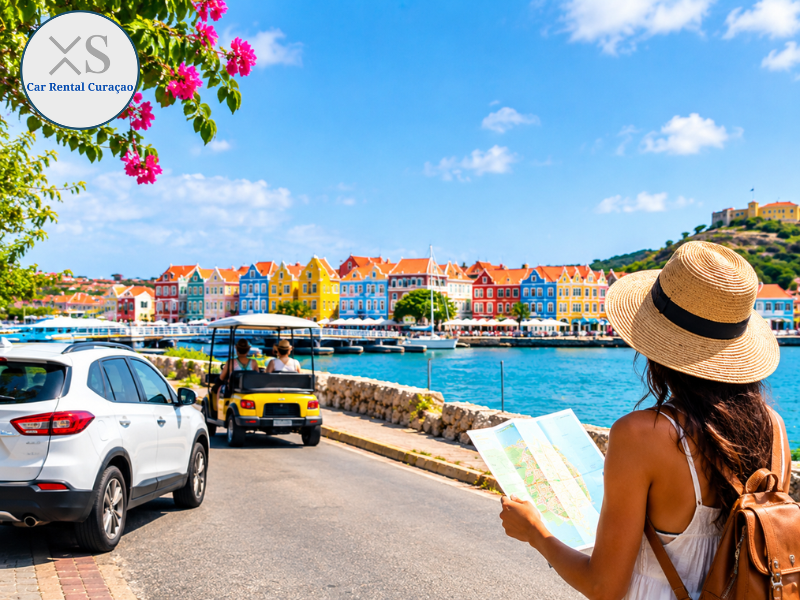
Walking also depends heavily on where you stay. In parts of Willemstad, you can absolutely explore on foot, especially near shops, restaurants, and the historic center. But once your plans go beyond that immediate area, the distances, heat, and road layout can make walking feel more draining than enjoyable.
Taxis are available, but they are not always the best match for spontaneous island days. If you want to beach-hop, stop for lunch, drive to another coast, then return when you feel like it, coordinating multiple rides can become frustrating. It also removes one of the best parts of Curaçao – the ability to follow your mood instead of a transport schedule.
When you probably do need a car in Curaçao
If your trip includes more than one beach, more than one neighborhood, or any interest in seeing the island beyond your hotel, a car is usually worth it.
This is especially true for families. Traveling with children often means carrying towels, snacks, floaties, extra clothes, and all the things that somehow multiply on a beach day. A car gives you a home base between stops and saves everyone from waiting around in the sun.
It also makes sense for couples and friend groups who want variety. Curaçao rewards exploration. One day you may want a calm beach with easy swimming. The next day you may want a cliffside view, a casual lunch spot, and a late afternoon drive. Doing that smoothly without your own transportation is possible, but it takes more planning and usually more money.
Long-stay visitors almost always benefit from having a car. Interns, remote workers, and expats tend to need more than sightseeing transportation. They need grocery access, errands, social plans, work commutes, and the freedom to handle daily life without depending on others. On an island stay of several weeks or months, convenience matters even more than on vacation.
When you might not need one
There are a few situations where skipping a rental makes sense.
If you are visiting for a very short stay and your hotel is close to everything you plan to do, you may be fine with airport transfers, walking, and a couple of taxi rides. The same goes if your trip is mostly centered around a wedding, a conference, or a resort-focused schedule where transportation is already arranged.
Some travelers also prefer not to drive abroad, even on an island that is fairly easy to navigate. If that is you, there is no reason to force it. A relaxed trip is better than a stressed one. Just be realistic about the trade-off: you will likely see less and pay more per outing.
A middle-ground option can work well too. Some visitors rent a car for only one or two days instead of the entire trip. That gives them time to explore beaches and local highlights while keeping the rest of the stay simple.
The biggest benefit is not just transportation
People often think of a rental car as a way to get from point A to point B. In Curaçao, it is more than that. It gives you time back.
You are not waiting on a ride. You are not deciding whether a beach is worth the taxi fare. You are not stuck at one location because leaving and returning feels like too much effort. You can grab breakfast in one area, snorkel somewhere else, stop at a viewpoint on the way back, and still make dinner without turning the day into a logistics project.
That ease is a big reason why so many visitors end up saying they were glad they had a car, even if they debated it before arriving.
What to think about before renting
Not every traveler needs the same setup. A couple on a four-day trip may only need a compact car. A family might want more space for beach gear and child seats. Someone staying longer may care most about price clarity, insurance, and reliable support if anything comes up.
That is where choosing a local, service-focused rental company matters. Transparent pricing, clear insurance terms, airport pickup, and direct communication can make the difference between a smooth start and an annoying one. If you are arriving tired, juggling luggage, or trying to get settled quickly, simple logistics matter a lot more than people expect.
Local support also helps when you are unfamiliar with the island. Good guidance on routes, parking, neighborhoods, and practical driving tips can make your first days much easier. That is one reason many travelers prefer booking with a company that knows Curaçao well rather than a larger brand that treats the rental like a generic transaction.
So, do you need a car in Curaçao?
For most travelers who want to actually experience the island, yes. A car gives you flexibility, comfort, and better control over your time and budget. It is especially useful if you plan to visit multiple beaches, stay outside a walkable area, travel with family, or remain on the island for more than a few days.
If your plans are very limited and your accommodations cover most of what you need, then maybe not. But that is the exception more than the rule.
Curaçao is one of those places where having your own transportation opens up the day in a very real way. You see more, stress less, and spend less time figuring out how to get around. For travelers who want an easy island experience with no hidden surprises, that freedom is usually worth it. Companies like XS Car Rental understand that the goal is not just handing over keys – it is helping you feel comfortable, mobile, and ready to enjoy Curaçao from the moment you arrive.
The best trip here is rarely the one planned down to the minute. It is the one where you can say yes to an extra beach, a local lunch stop, or a sunset drive because getting there is easy.